
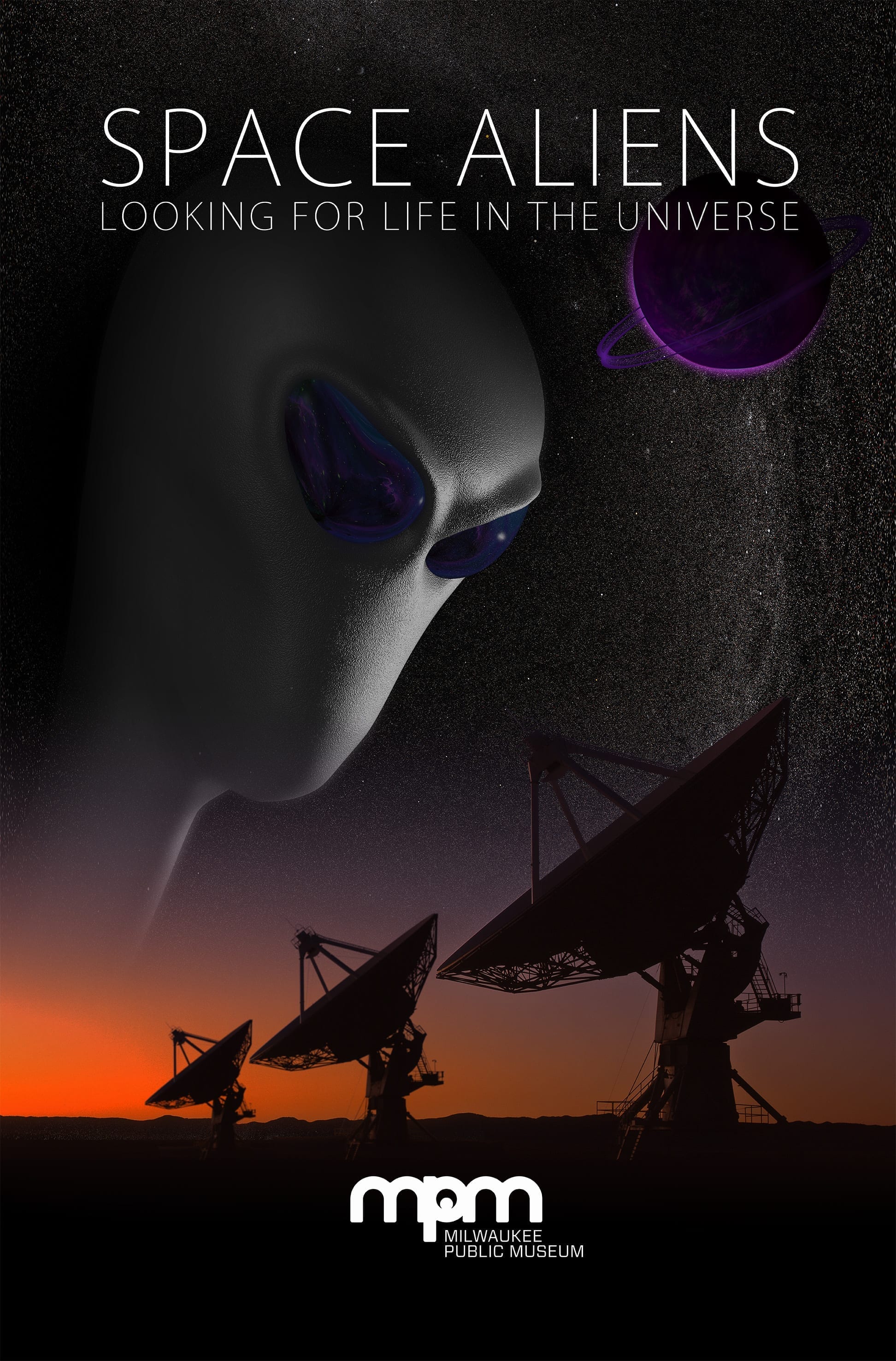
From ancient philosophers to modern-day scientists scouring the sky for exoplanets, humans have always wondered who else might be “out there.” In Space Aliens, an original production created by our own stellar Daniel M. Soref Planetarium team, we’ll embark upon an inter-galactic journey in attempt to answer the ultimate question of the universe: Are we alone?

“Sounds of the Underground” is visual entertainment library set to the styles of techno, dance, club, and rave styles. A unique variety of artistic 3-D animations make this the perfect experience for music club enthusiasts and anyone who likes a dancing experience for the eyes!
The audience experience for “Sounds of the Underground” is unlike any of the planetarium’s other music entertainment programs. It uses a “Visual DJ” presentation style, where the Show Performer can be in control of much of the visual choreography through the addition of real-time and lighting effects, but the show can also be made to work with fulldome animation alone. Music “sets” (blocks) can also change from show to show depending on audience requests.

For thousands of years, Africans have used their knowledge of the sky to build their societies, shape their spiritual lives, and meet their physical needs for survival.
Skywatchers of Africa highlights the diversity of African astronomy, examines cultural uses of the sky that developed throughout history, and celebrates our shared human experience.
Skywatchers of Africa is an original production by the Adler Planetarium and was adapted for fulldome by the Sudekum Planetarium at Adventure Science Center.
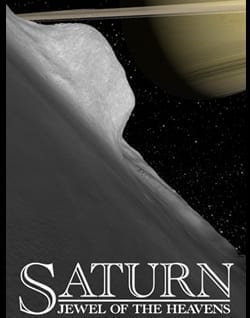
Once a planet of great mystery, now we know more than ever before about its amazing system of rings, moons, and storms thanks to modern robotic space pioneers.
While “Saturn” incorporates the best imagery from the Cassini-Huygens missions, it is not a slide show. For example, we’ve taken the photomaps of the moons and wrapped them onto 3-dimensional spheres complete with surface sculpting and height maps so the craters, canyons and mountains will show true surface relief! In this modern 36-minute production, audiences can experience an immersive exploration of one of the most amazing and dynamic planetary collections of our solar system.
From its bizarre moons with mysterious features, to the millions of icy particles that compose the enigmatic rings, this is the three-dimensional tour of the Saturnian system that goes beyond the CG experience – It’s like flying piggyback on the Cassini spacecraft!
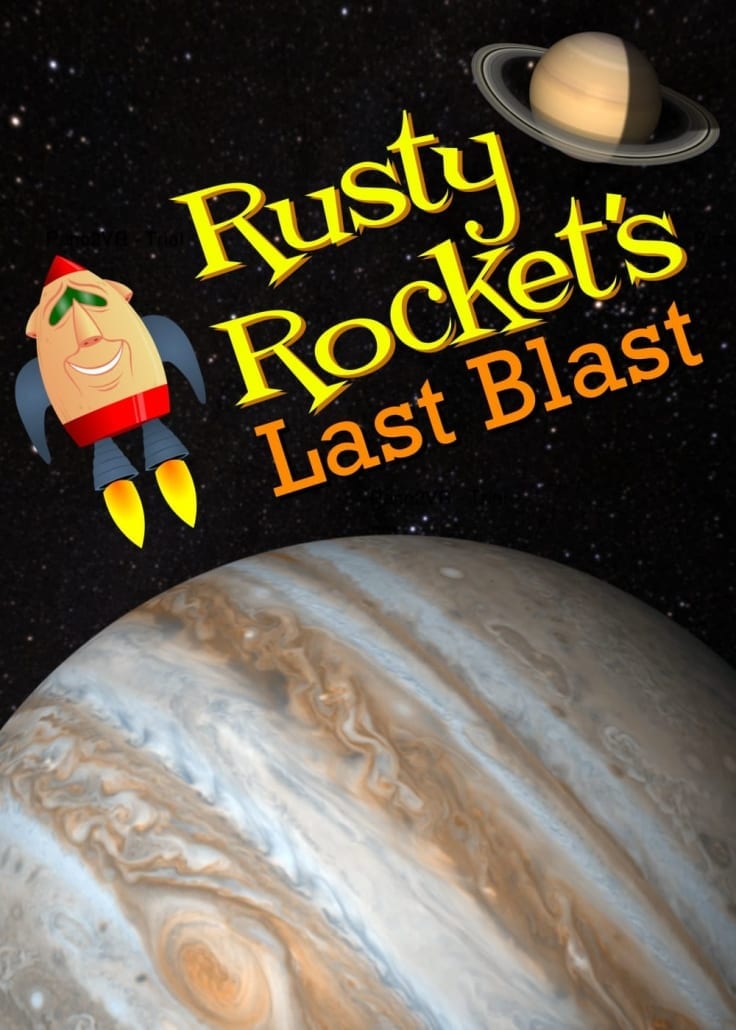
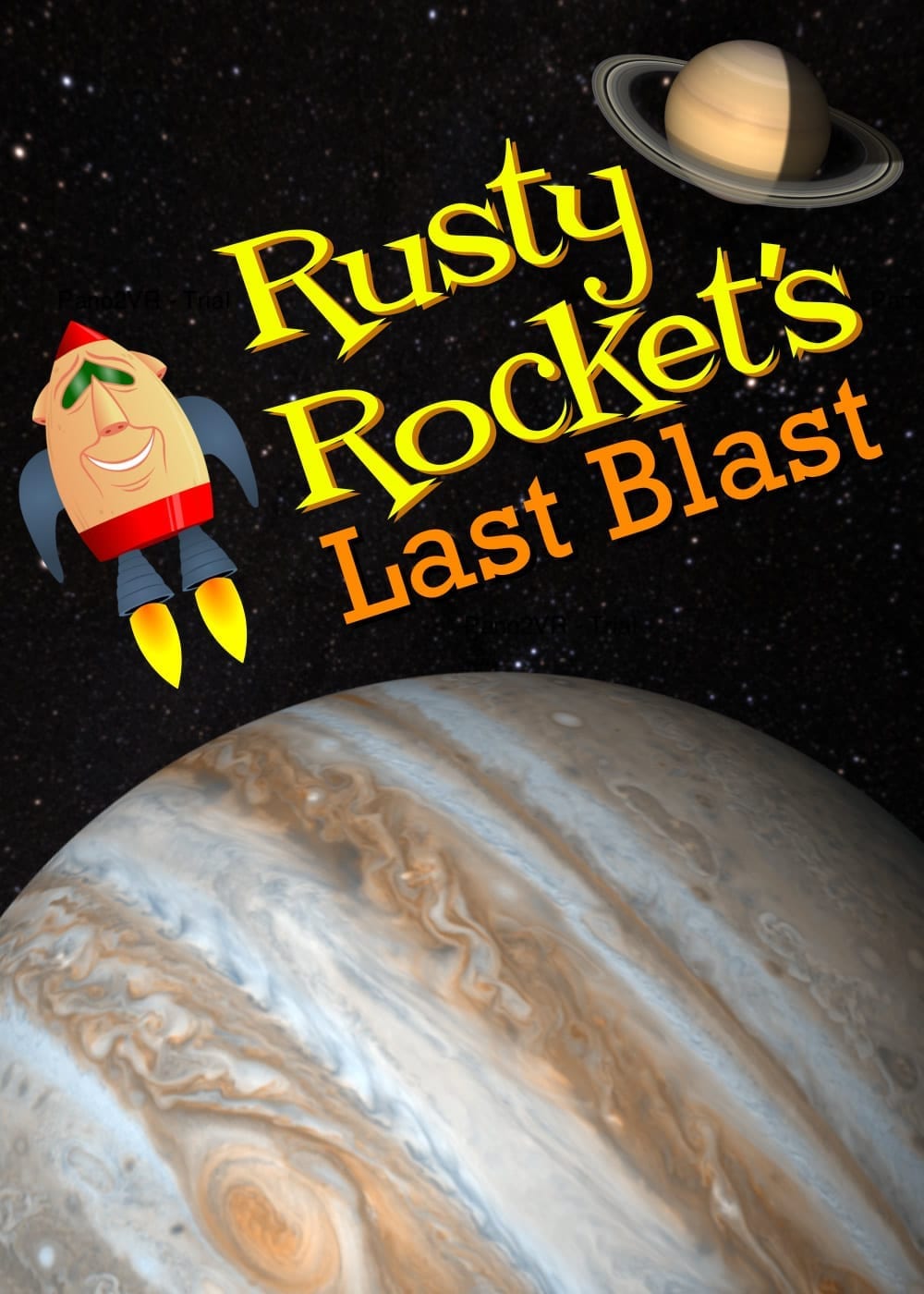
After decades of teaching youngsters the basics of rocket physics, Rusty Rocket has decided this will be his last blast, and he already has plans for how he will spend his free time.
Still there is one final mission to command: an introductory tour of the solar system for a new class of rocket rookies focusing on the wide variety of planetary environments.
Along the way, we learn Rusty is related to every famous spacecraft to explore the solar system. He also emphasizes the immense distances between the planets using cars and jets for comparison.
This is a complete reproduction of the original classic, slide-based version. This all new, fulldome version features an updated script, all new visuals, new narration and music, and the voice of “Ranger Doug” Green of Riders in the Sky as Rusty Rocket.
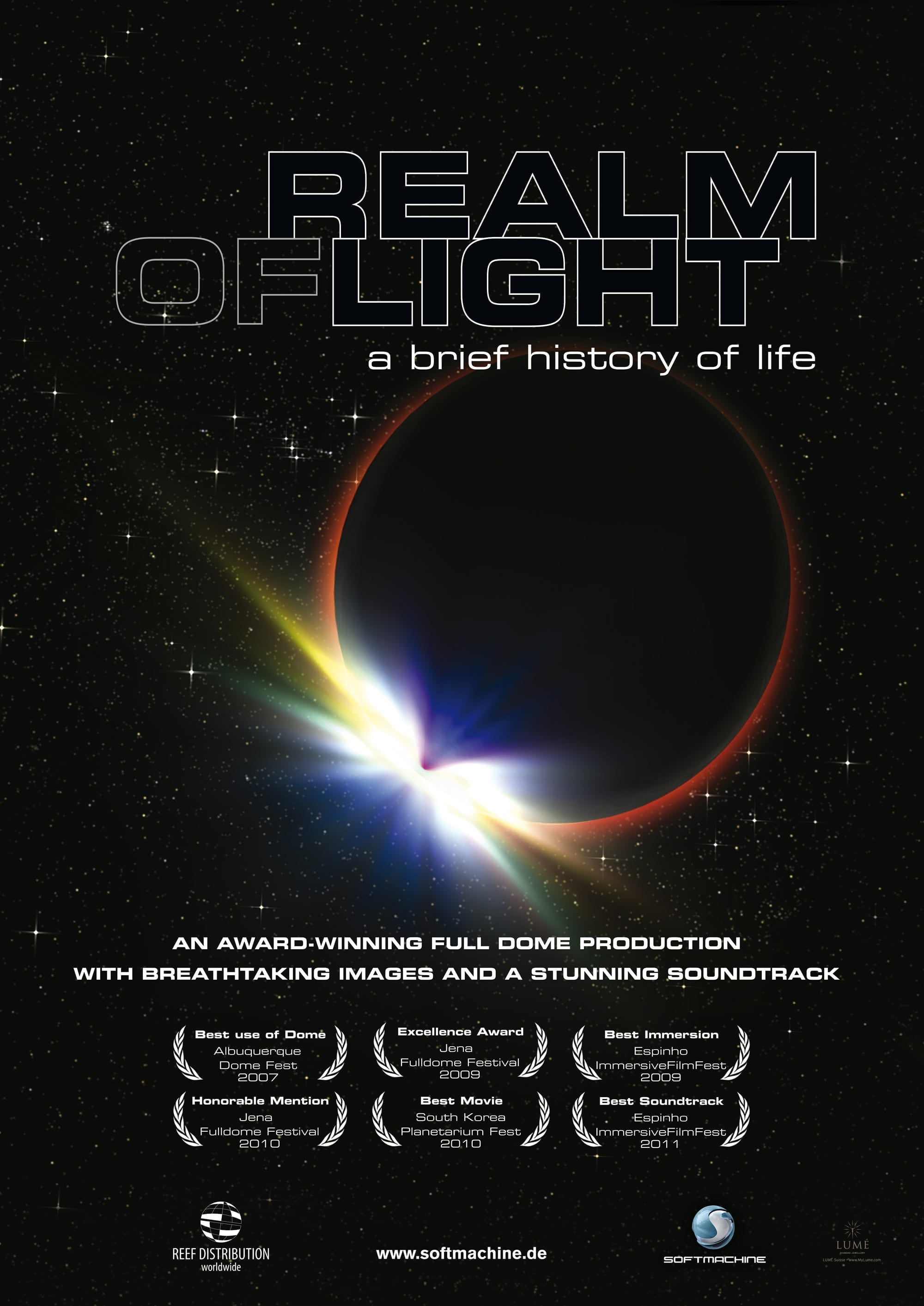
A poetic and phenomenal adventure underscored with breathtaking music and sound effects.
Upon request of the Denver Museum of Nature & Science, the Producer developed a new version with a new scientific perspective.
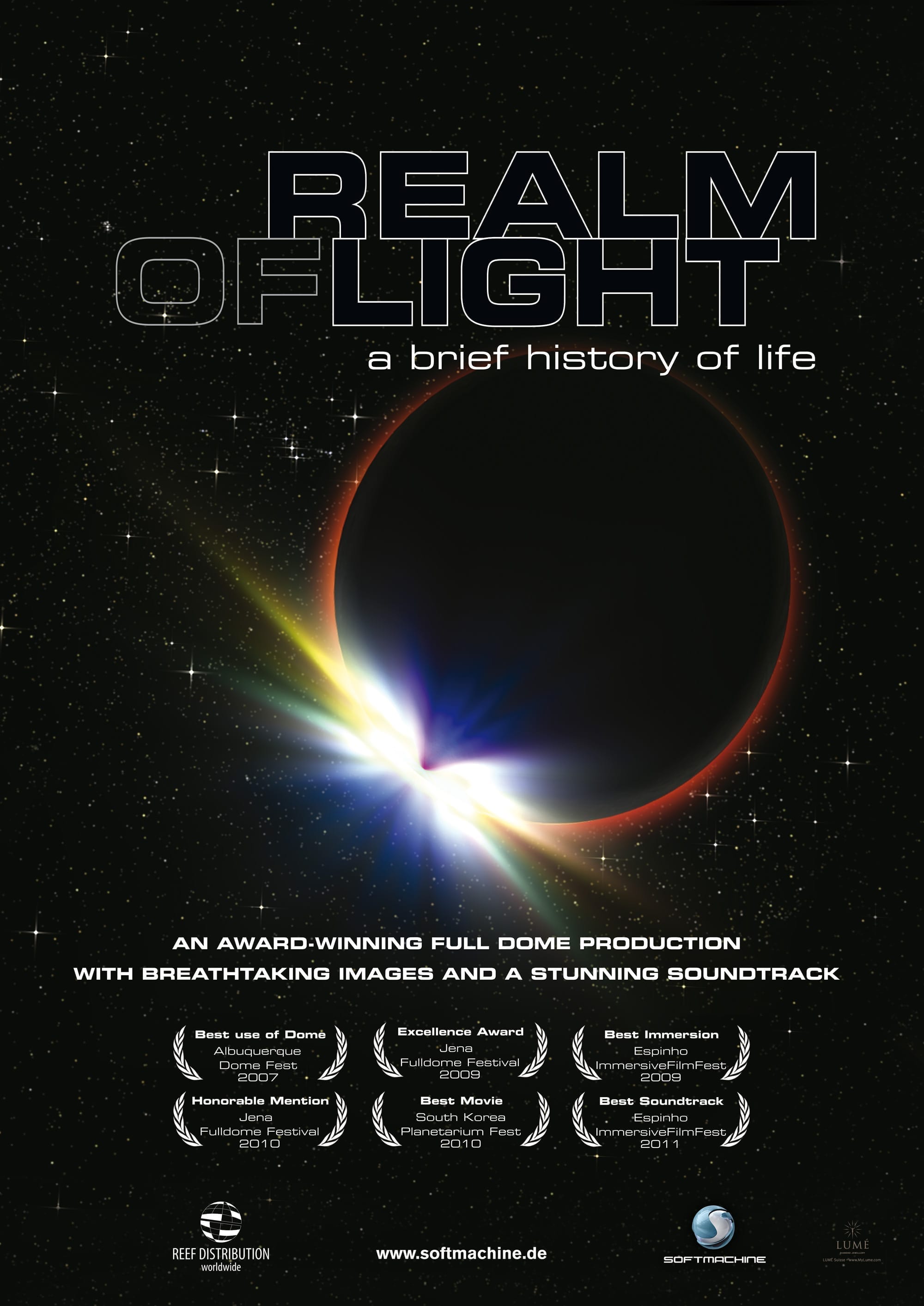
Dan Neafus from Denver Museum produced a unique version with additional astronomical contents that take us on an amazing journey through space and time, telling the story of life and its evolution from the Big Bang until the modern age of man.
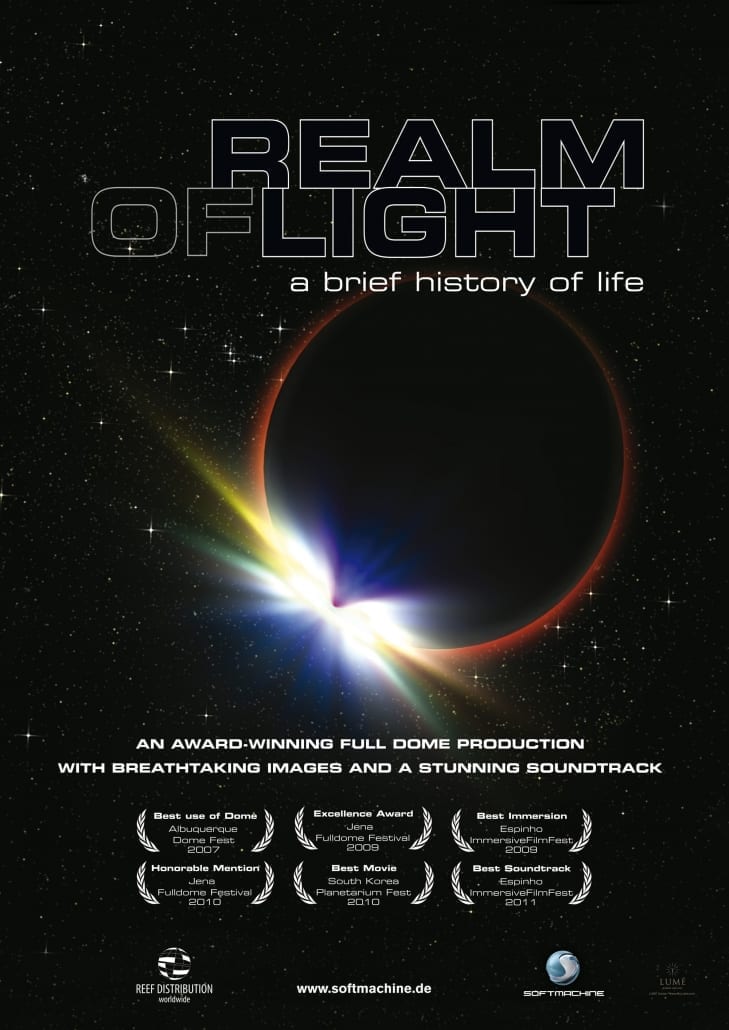
The show tells in breathtaking pictures the story of the Universe and the Earth – from the big bang to the onset of modern man.
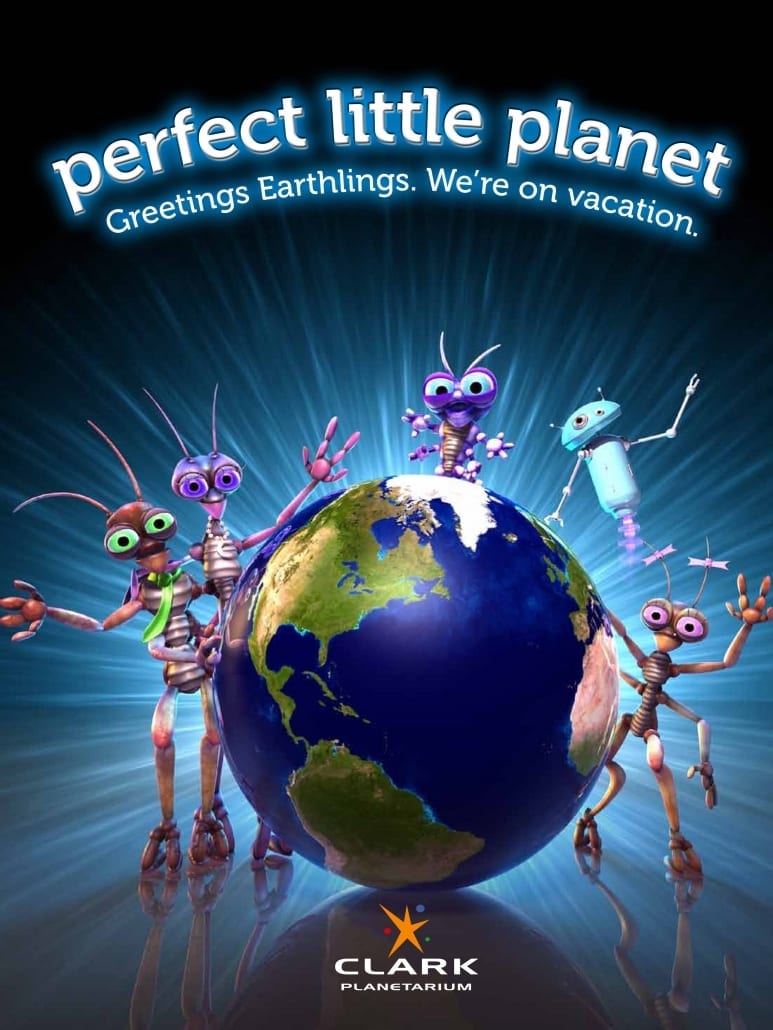
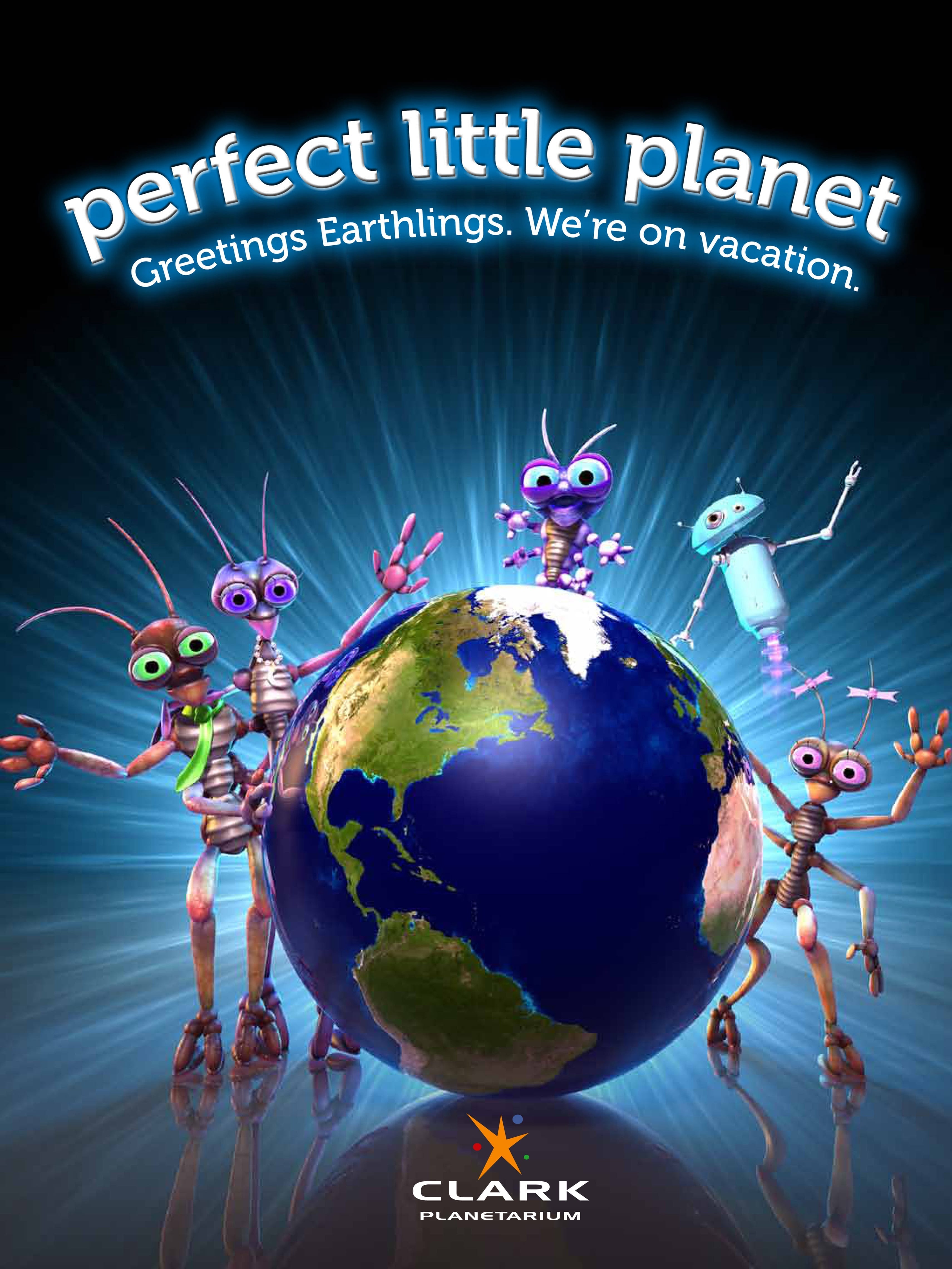
After more than a year in the making, Clark Planetarium Productions presents its most innovative family program since “The Secret of the Cardboard Rocket”! The show is revolutionary on a number of fronts: 4k resolution that utilizes detailed assets to take full advantage of the 4k environment; A frame rate of 60 frames per second to provide smoother motion, sharper definition, and clearer colors. (The show is also available in 30 fps.)
So what’s the theme? Imagine the ultimate space vacation!
Discover our solar system through a new set of eyes – a family from another star system seeking the perfect vacation spot. Fly over the surface of Pluto, our best known Dwarf Planet. Dive down the ice cliffs of Miranda. Sail through the rings of Saturn. Feel the lightning storms at Jupiter. And walk on the surface of Mars. Which destination would you choose? This is the solar system journey for space travelers of all ages.
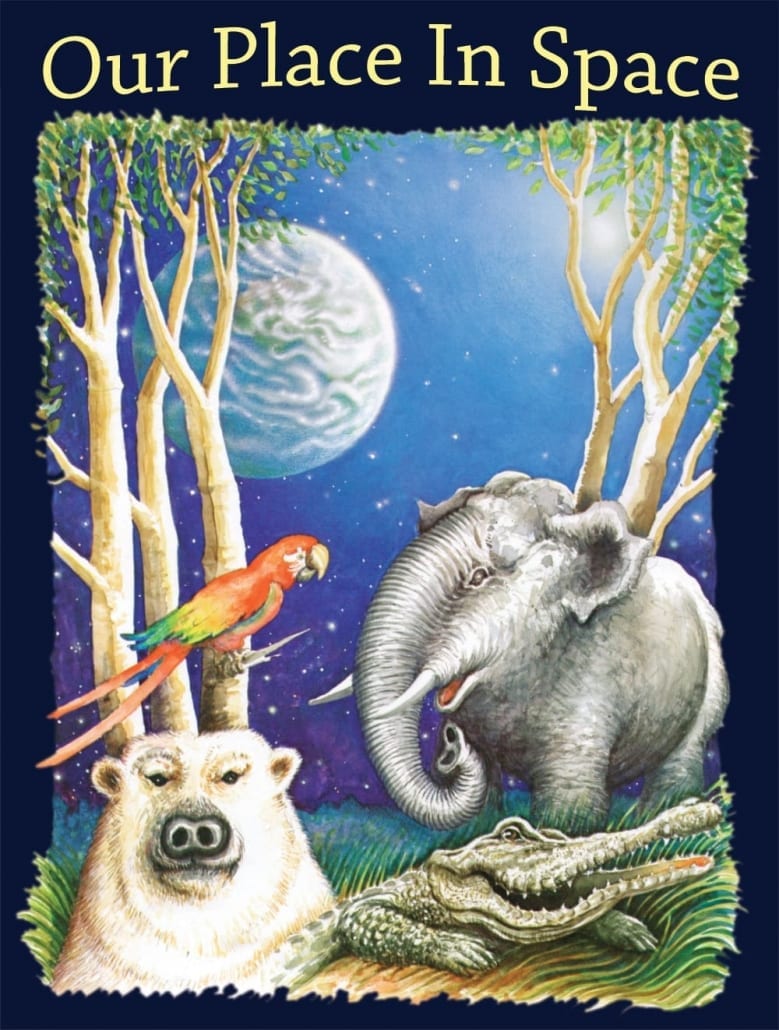
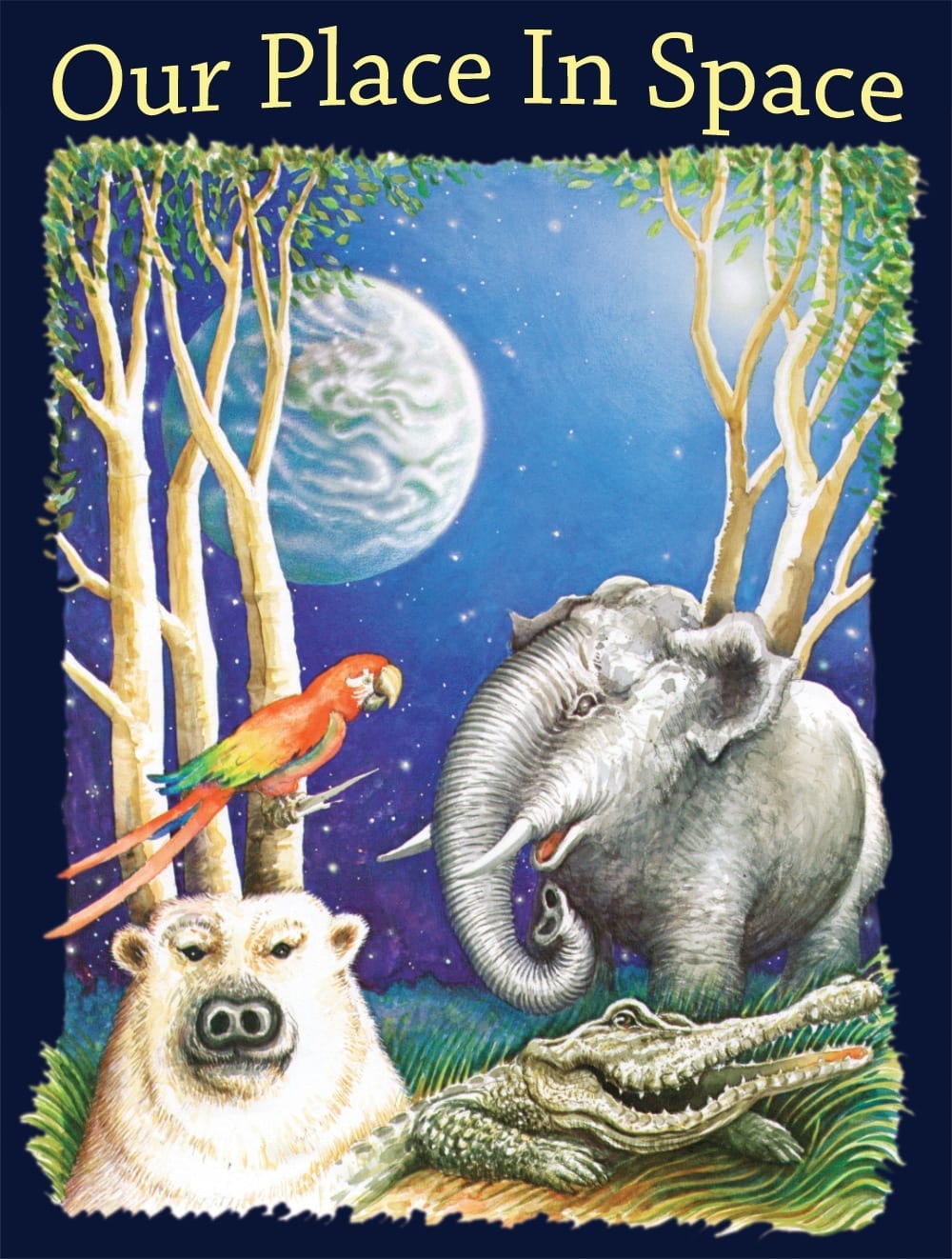
Scarlett Macaw must discover the cause of day and night, the importance of our star the Sun, the beauty of the constellations, and the variety of objects that make up the Universe.
Throughout her journey students help solve the puzzle by providing answers to the clues.
Teachers have recommended this program because it addresses curriculum needs and presents content in an engaging, humorous way without being over-stimulating. Educators are also enthusiastic about the script’s multi-disciplinary approach: highlighting vocabulary, including endangered animals, and traveling to exotic locations. The last segment of the show includes a thrilling trip through the solar system conveying the idea that there is much more to explore.
The program does mention Pluto as the ninth planet, but this makes a great discussion point after the show. Ask students “How many planets are there?”, and “What happened to Pluto?”
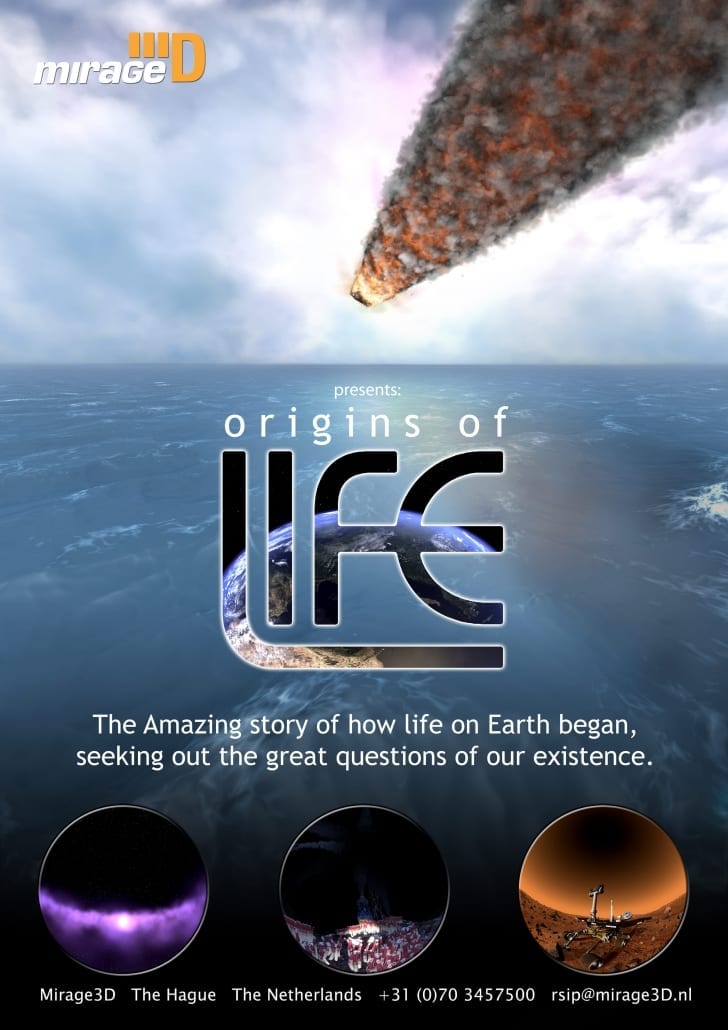
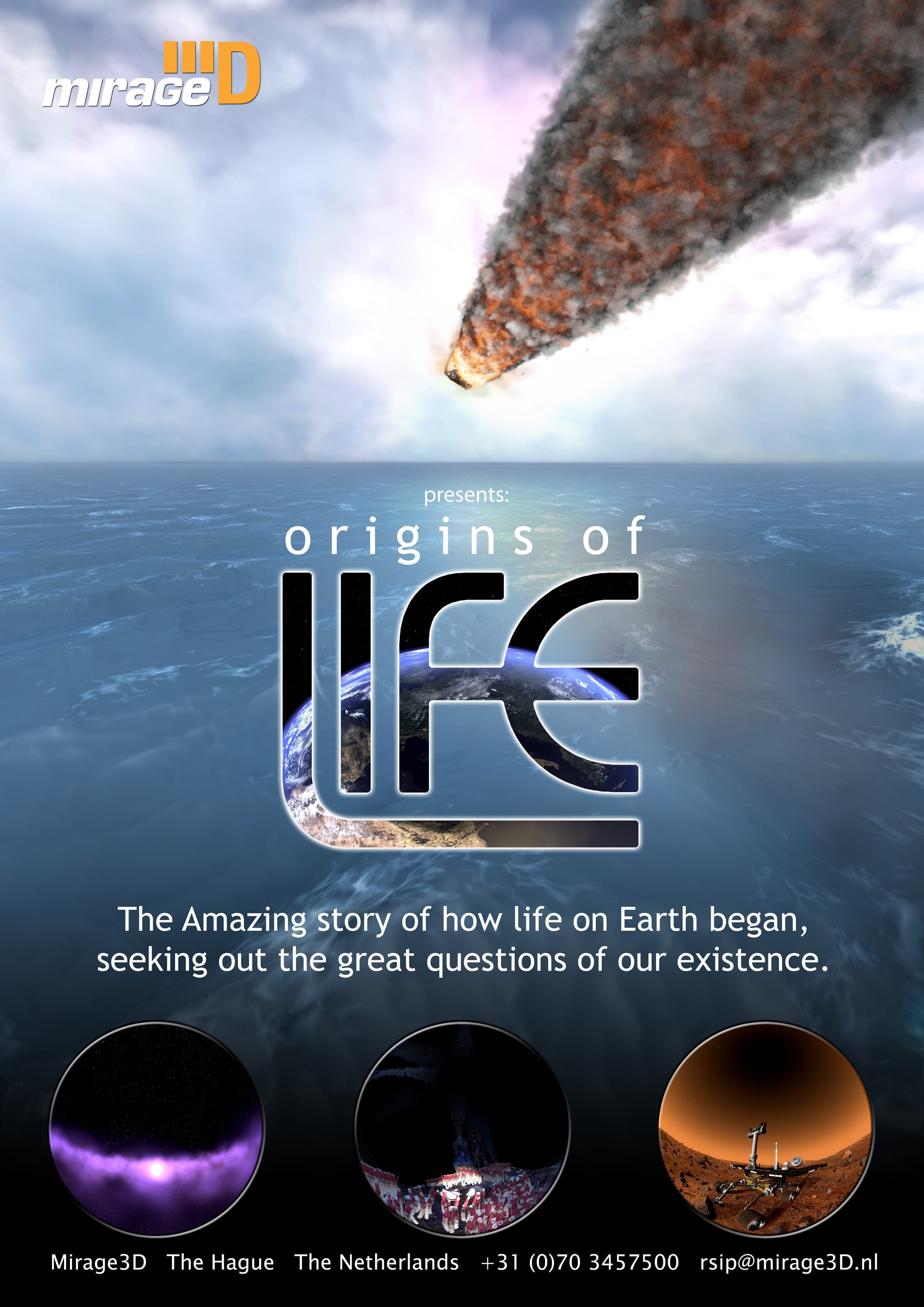
Science: The Origins of Life and the Human Search For Life Beyond Earth.
Starting with the Big Bang, in chronological order, the show deals with the prebiotic chemistry in the Universe, the formation of stars, formation of solar systems, and the first life on Earth.
Furthermore Origins of Life covers the great extinctions as well as our search for (primitive) life beyond planet Earth.
Origins of Life is a inspirational journey through time and a celebration of life on Earth. It features many recent discoveries related to life science, demonstrating that if there was ever a time that science made its greatest advances, it’s right now!